

Buy a house if you plan to stay at least five years, have steady income, and can pay the upfront costs and repairs. Rent if you may move soon, want to keep your cash free, or could not pay for a surprise repair.
Renting costs less each month in most large U.S. cities, according to Zillow’s 2025 analysis. Buying often costs less over many years, because you build equity. This guide shows the pros and cons, a real cost example, and five questions that point you to your answer.
Key terms:
- Equity is the part of your home you own. It equals the home’s value minus what you still owe.
- Down payment is the cash you pay upfront when you buy.
- Closing costs are the fees you pay to finish a home purchase.
- Breakeven is the point when buying costs the same as renting.
Renting vs Buying
Renting costs less upfront. Buying builds equity.
| Factor | Renting | Buying |
|---|---|---|
| Upfront cost | Low: first month and a deposit | High: down payment and closing costs |
| Monthly cost | Rent, which can rise | Loan, tax, insurance, and upkeep |
| Equity | None | Grows as you pay the loan |
| Repairs | The landlord pays | You pay |
| Moving | Easy at the end of a lease | Slow and costly |
| Payment stability | Rent can rise each year | A fixed-rate loan payment stays the same |
| Control | Limited | Full |
| Main risk | Rent hikes or a landlord who sells | Falling prices and repair bills |
Pros and Cons of Renting
Renting gives you flexibility but no ownership.
Pros of Renting
- Low entry cost. You skip the down payment and closing costs.
- No repair bills. The landlord fixes the roof, plumbing, and appliances.
- Easy moves. You can leave when your lease ends.
- More cash for other goals. You can build savings or invest your money.
- No price risk. Falling home prices do not hurt you.
Cons of Renting
- No equity. Your rent does not build ownership.
- Rent can rise. A higher price at renewal can break your budget.
- Less security. A landlord can sell the home or end your lease.
- Less control. You cannot make big changes without approval.
- No home tax breaks. Renters do not get mortgage interest or property tax deductions.
Pros and Cons of Buying
Buying gives you ownership and control but costs more upfront.
Pros of Buying
- Equity grows. Each loan payment raises the share of the home you own.
- Steady loan payment. With a fixed-rate loan, your loan payment stays the same. Tax and insurance can still rise.
- Control. You choose the paint, the upgrades, and how long you stay.
- A tax break when you sell. You may exclude up to $250,000 of gain, or $500,000 for married couples filing jointly, if you owned and lived in the home for at least two of the last five years. See the IRS rules on selling your home.
- Rental income option. You can rent a spare room or a second unit to help pay the loan.
Cons of Buying
- High upfront cost. You pay a down payment and closing costs before you move in.
- Repairs are your job. Zillow cites about $6,400 a year in typical upkeep, based on Thumbtack data.
- Costs can rise. Property tax, insurance, and HOA dues often go up.
- Selling costs a lot. Selling costs often run 6% to 10% of the sale price, mostly agent fees.
- No tax deduction for a loss. You cannot deduct a loss from selling your main home.
- Price risk. If prices fall and you must sell early, you could owe more than the home is worth.
What Buying Really Costs: A Worked Example
A $400,000 home costs about $500 more per month than a similar rental in this example. The rate and rent below are examples, not quotes.
Example assumptions
- Home price: $400,000
- Down payment: $80,000 (20%)
- Loan: $320,000 at 6.5% for 30 years
- Rent for a similar home: $2,400 a month
Monthly Cost
| Cost | Buying | Renting |
|---|---|---|
| Loan payment | $2,023 | n/a |
| Property tax (1.25% a year) | $417 | n/a |
| Home insurance | $125 | n/a |
| Upkeep (1% of price a year) | $333 | n/a |
| Rent | n/a | $2,400 |
| Total per month | About $2,898 | $2,400 |
What this means:
- Buying costs more each month. The difference is about $500.
- Part of the buyer’s payment builds equity. About $300 a month goes toward the loan balance in year one.
- The renter keeps the down payment. The renter can save or invest that $80,000.
Upfront and Exit Costs
- Buying: Closing costs of about $8,000 to $20,000, plus the $80,000 down payment.
- Renting: The first month and a deposit, often about two months of rent.
- Selling later: 6% to 10% of the price, or $24,000 to $40,000.

How Long Until Buying Beats Renting?
Plan to stay at least five years. In one 2025 Zillow example, breakeven came at about five years and four months. The average homeowner stays about 13 years. Your own breakeven depends on home price growth, rent growth, and your loan rate.
How to Compare Your Own Numbers
- Add your monthly owning costs. Include the loan, tax, insurance, HOA dues, and upkeep.
- Compare that total to your rent.
- Spread the one-time costs. Divide closing and selling costs by the years you plan to stay.
- Add the equity you build and the money your down payment could earn if you invested it.
Want a Faster Answer?
Ask Andrew Liberty for a free rent-versus-buy comparison. Share your rent, savings, and plans.
Rent or Buy? Answer These Five Questions
Your answers to five questions show which choice fits you.
| Question | Lean toward buying if... | Lean toward renting if... |
|---|---|---|
| How long will you stay? | Five years or more | Under three years |
| How much have you saved? | You have a down payment plus 3 to 6 months of expenses | You have little cash saved |
| How steady is your income? | Stable job and income | A job change is likely |
| Can you afford it? | Housing costs 30% of your income or less | Housing would cost more than 30% |
| What do you value most? | Control and long-term stability | Flexibility and low upkeep |
When Renting Makes Sense
Renting fits people with short plans or tight savings.
You may move within three years. Selling soon costs too much. Renting avoids those fees.
Your income is uncertain. A flexible lease protects you if your job changes.
You have little cash saved. A down payment with no emergency fund leaves you exposed to repair bills.
When Buying Makes Sense
Buying fits people with long plans and steady money.
You plan to stay five years or more. Time builds equity and spreads out your one-time costs.
You want steady housing costs. A fixed-rate loan keeps your payment the same while rents climb.
You can use the space for income. A duplex or a spare unit can help pay the loan.
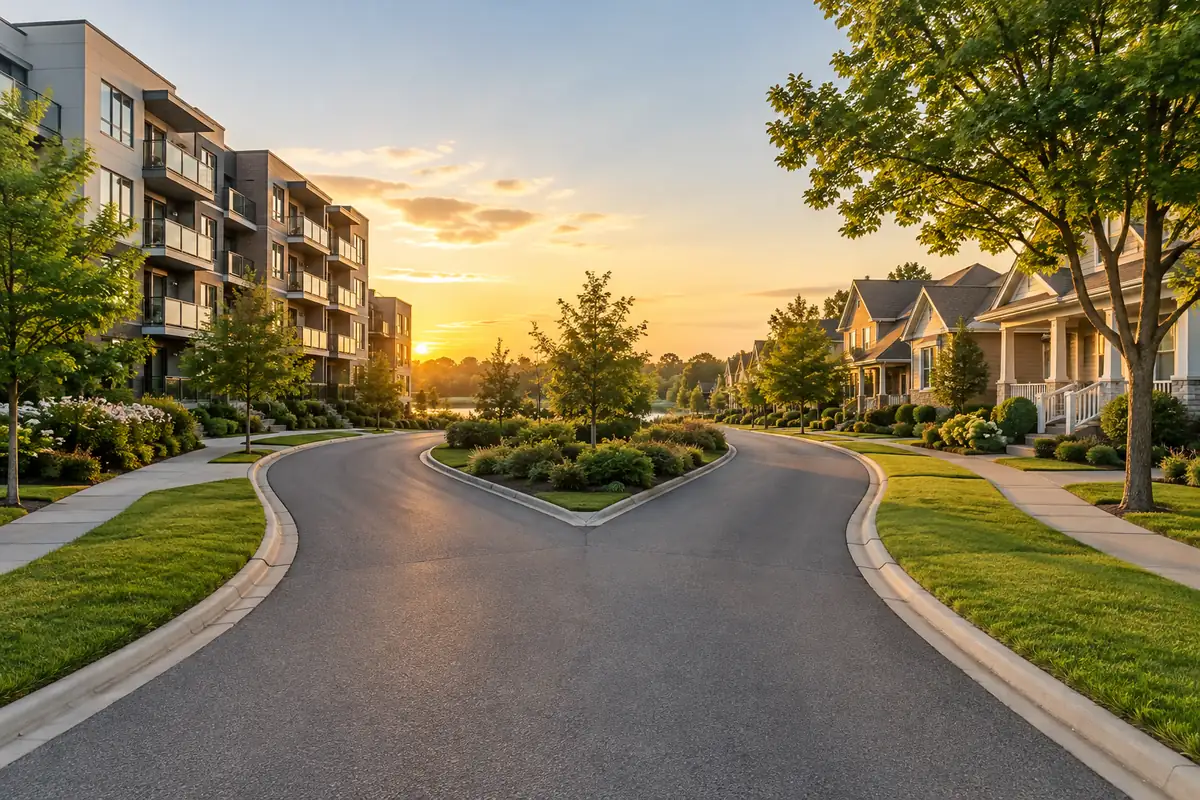
Ready to See What Your Budget Buys?
Browse homes for sale in Los Angeles and filter by price, bedrooms, and property type. Zillow puts the typical Los Angeles County home value near $873,000, so real listings help you test your numbers.
Frequently Asked Questions
Is it better to rent or buy a house right now?
It depends on your city and your plans. Renting costs less each month in most large cities. Buying can cost less over time if you stay long enough.
Is renting throwing money away?
No. Rent pays for housing, flexibility, and no repair bills. Owners also spend money they never get back, such as interest, property tax, and upkeep.
How long do you have to live in a house for buying to be worth it?
Plan on at least five years. Closing costs and selling costs take that long to earn back.
How much income do I need to buy a house?
A common rule says housing should cost no more than 30% of your income. Lenders also check your debts and credit. Ask a lender for a pre-approval to see your limit.
Can I buy a house with a small down payment?
Yes. Some loans allow 3% to 3.5% down. A smaller down payment means a bigger loan and a higher monthly cost.
What are the hidden costs of owning a home?
- Property tax that rises over time
- Homeowners insurance
- HOA dues, if your home has an HOA
- Repairs and upkeep
- Closing costs when you buy and selling costs when you leave
Is it smart to rent now and buy later?
Yes, if you save a set amount each month and pick a target date. Build your down payment, emergency fund, and credit first.
Can renting build wealth?
Yes, if you invest the money you save. Many renters do not follow through, so set up automatic savings from day one.
What happens if home prices fall after I buy?
You may owe more than the home is worth if you put little down and must sell early. Staying longer gives prices time to recover.
Your Next Step
Start with three numbers: your monthly budget, your savings, and how long you plan to stay. Those three answers point you toward renting or buying.
If you are still unsure, talk with Andrew Liberty for a free, no-pressure review of your numbers. If you are ready to look, search homes for sale in Los Angeles and compare real prices to your rent.


Studio City vs Sherman Oaks
Same boulevard, different feel. Prices, walkability, commutes, schools and hillside risks compared, so you can pick the neighborhood that fits your life and your budget.
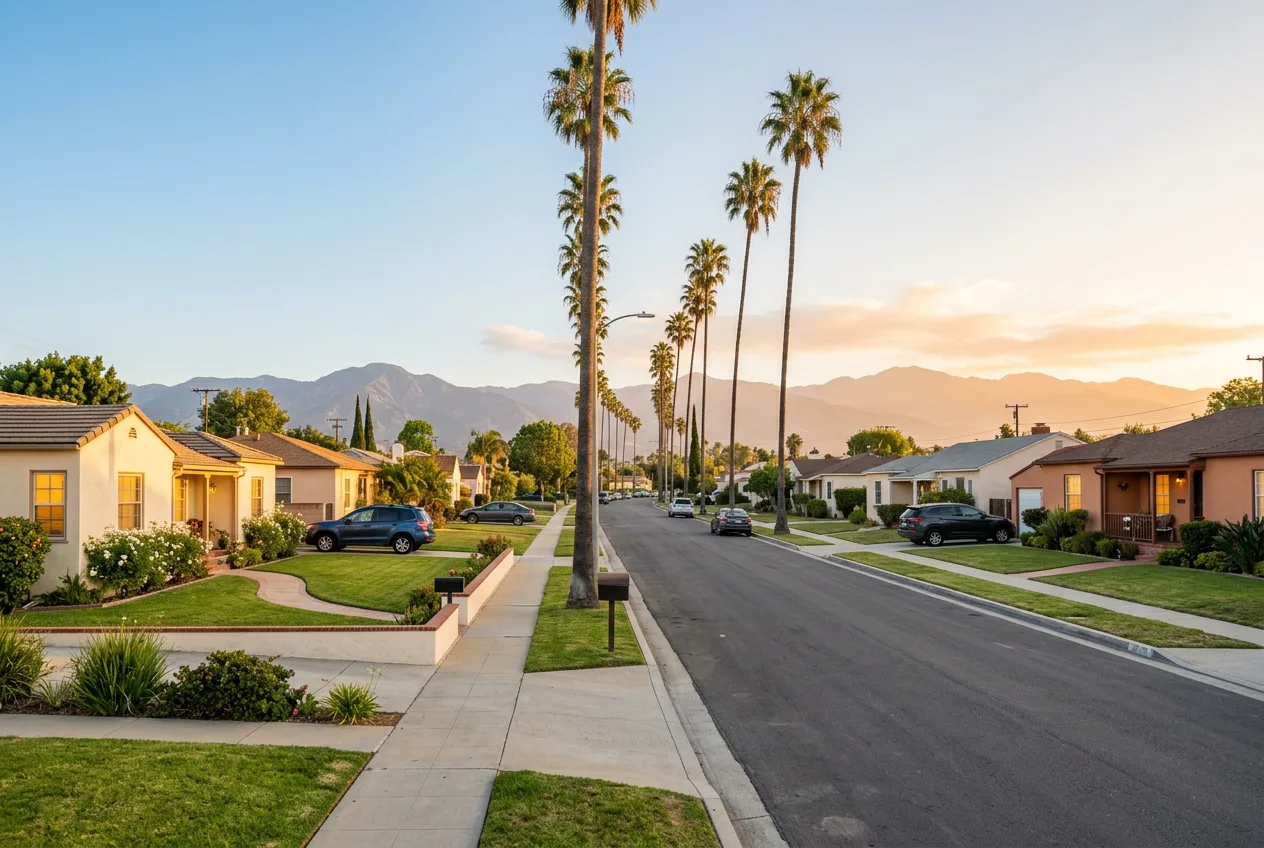
Most Affordable Places to Live in Los Angeles
Lancaster and Palmdale for houses, Panorama City and Boyle Heights for city living. Typical prices, rents, and the commute trade-off for each, plus the costs to plan for beyond the price.

How to Buy a Duplex in Los Angeles
Loan options, rent control, and the numbers to check before you buy. How a Los Angeles duplex works for an owner-occupant or an investor, from pre-approval to taking over the tenancy.
Newsletter
The Liberty Brief
Market perspective, smart analysis, and opportunities — delivered with clarity.
No spam, ever. Unsubscribe anytime. Read the Blog